Selecting a yoga teacher training can often be daunting when many styles within the discipline differ so greatly. If you are exploring a vinyasa yoga teacher training, then knowing how it compares to Yin is essential to making an informed choice.
Did you know? Yoga Alliance recognizes multiple styles and methodologies within yoga education, allowing trainees to choose programs that align with their interests, whether that’s dynamic movement, mindfulness-based practices, or specialized teaching approaches.
Here at Salty Prana we encourage students to choose a training path that is in alignment with their personal goals, learning style, and vision as a future teacher. If you know the strengths of Vinyasa and Yin, you’ll be able to make a better decision about your next step.
Key Takeaways
- Vinyasa and Yin have different purposes but complement each other well.
- Vinyasa is about movement, strength, and flowing with your breath.
- The emphasis in Yin work is on stillness, flexibility, and the nervous system.
- The best YTT for you depends on your personality, goals, and teaching style.
- Many teachers who are successful go on to study both approaches.
Understanding the Difference Between Vinyasa and Yin Yoga
The difference between vinyasa and yin yoga begins with pace and intention.
Vinyasa is a vigorous practice that involves coordinating the breath to the movement. Usually the class sequences will be such that one posture is smoothly done after another, thereby generating body heat, building muscle strength, and engaging the cardiovascular system.
However, yin is extremely slow and contemplative. The poses stay on for a longer time, most often from three to five minutes, which helps to deeply reach the connective tissues, joints, and fascia.
While both types of yoga enhance the awareness of the body, their effects on the body and mind are starkly different.
Quick Comparison Table
You can’t say that one style is better than the other. In fact, they only meet different needs.
| Feature | Vinyasa Yoga | Yin Yoga |
| Pace | Fast and flowing | Slow and still |
| Energy | Active and energizing | Calm and grounding |
| Focus | Muscles and movement | Connective tissues and flexibility |
| Breath | Guides movement | Supports relaxation |
| Teaching Style | Dynamic cueing | Patient observation |
| Student Experience | Energizing | Reflective |
Why Choose a Vinyasa-Based YTT?
Vinyasa yoga teacher training is a natural match for those who like to move, be creative, and actively participate in the class settings.
It’s likely that you’ll like Vinyasa if:
- Love flowing sequences
- Enjoy physical challenges
- Want to build strength and endurance
- Prefer energetic class environments
- Like creating dynamic class plans
Somewhat, Vinyasa teaching comprises excellent sequencing abilities, unambiguous cueing, and being able to operate a class with a balanced rhythm.
Actually, because of its worldwide popularity, many new teachers start their teaching journey by focusing on Vinyasa-based classes.
Why Choose Yin Yoga Training?
If you are one of the students who are attracted to mindfulness, self-reflection, and therapeutic movement, then a yin yoga teacher training Bali experience might be more in line with your personality.
Yin training often explores:
- Fascia and connective tissue
- Nervous system regulation
- Meditation practices
- Mindful observation
- Long-held postures
This style of teaching is usually less about the working out aspect and more about providing the learner’s mind and body with rest.
Many teachers find that Yin is a great complement for their hectic lifestyles.
Which Style Matches Your Teaching Personality?
One of the most common questions students ask is which yoga style I should learn to teach.
Your teaching style should feel authentic to your personality rather than forced. The answer often depends on your natural strengths.
| Choose Vinyasa if you enjoy: | Choose Yin if you enjoy: |
| Leading groups with energy | Holding space quietly |
| Active movement | Slower-paced teaching |
| Creative sequencing | Deep listening |
| Physical challenge | Therapeutic approaches |
| Fast-paced environments | Meditation and mindfulness |
Which Training Is Better for New Teachers?
Many aspiring instructors also ask about the best yoga style for beginners to teach.
In fact, Vinyasa is the choice for most people, as it gives a solid base because it trains:
- Sequencing skills
- Cueing techniques
- Class management abilities
- Physical understanding of movement
But Yin is a great option if you want to develop teaching skills for a niche in wellness, recovery, and mindfulness-oriented work.
Instead of thinking of them as rival styles, it usually makes more sense to consider them as two different sets of tools that are in fact complementary.
The Benefits of Learning Both Styles
Many experienced teachers quickly realize the benefits of branching out from a solo specialization.
For example, a vigorous Vinyasa session can be an excellent way for students to get fit and boost their physical energy, whereas a Yin class might be just what they need for unwinding and healing.
The balanced skill set allows teachers to serve a wider variety of students and needs. Below are some of the benefits of learning two different styles:
- Broader teaching opportunities
- Greater understanding of the body
- More versatile class offerings
- Enhanced student support
- Improved teaching confidence
Exploring Advanced Yin Studies
Students who already hold foundational certifications sometimes choose a 50hr yin yoga training Bali program to deepen their expertise.
These intensive programs delve deeply into:
- Advanced Yin methodology
- Functional anatomy
- Meridians and energetic concepts
- Sequencing principles
- Therapeutic applications
Such programs can complement an existing teaching background while adding another valuable dimension to a teacher’s toolkit.
Build a More Versatile Teaching Future with Salty Prana
The choice separating Vinyasa from Yin should not be about one winning over the other. It should be in line with the ways your character, aspirations, and teacher role fit best with one approach. Energy-fueled movement classes can be great for some, while others may get attracted to stillness, reflection, and therapeutic practices that fit their essence.
Salty Prana centers on not only assisting pupils in acquiring real teaching skills but also in strengthening their relationship with yoga on a personal level. If you like to engage in vigorous flow classes or are into soft Yin practices, proper training is your step toward a significant and fulfilling teaching path. Find your way here at Salty Prana and make your move toward the teacher you want to become.
Frequently Asked Questions
Is Vinyasa harder than Yin Yoga?
Vinyasa tends to be more physically demanding, while Yin is more about patience, stillness, and the ability to stay present during longer holds.
Can beginners join either style of teacher training?
Yes. Many trainings are open to committed students who have a regular practice and a true interest in deepening their learning.
Which style is more popular among yoga students?
Vinyasa is very popular around the world, while Yin is growing rapidly because of the growing interest in recovery and mindfulness.
Do I need separate certifications for both styles?
Typically yes. Specialized Yin programs give you deeper knowledge beyond what general foundational teacher training usually covers.
Can I teach both Vinyasa and Yin classes?
Definitely. Some teachers use a hybrid model of teaching both vigorous classes and restorative classes to assist in recovery and balance.
Vinyasa vs. Yin: What’s the Difference and Which YTT Should You Choose?
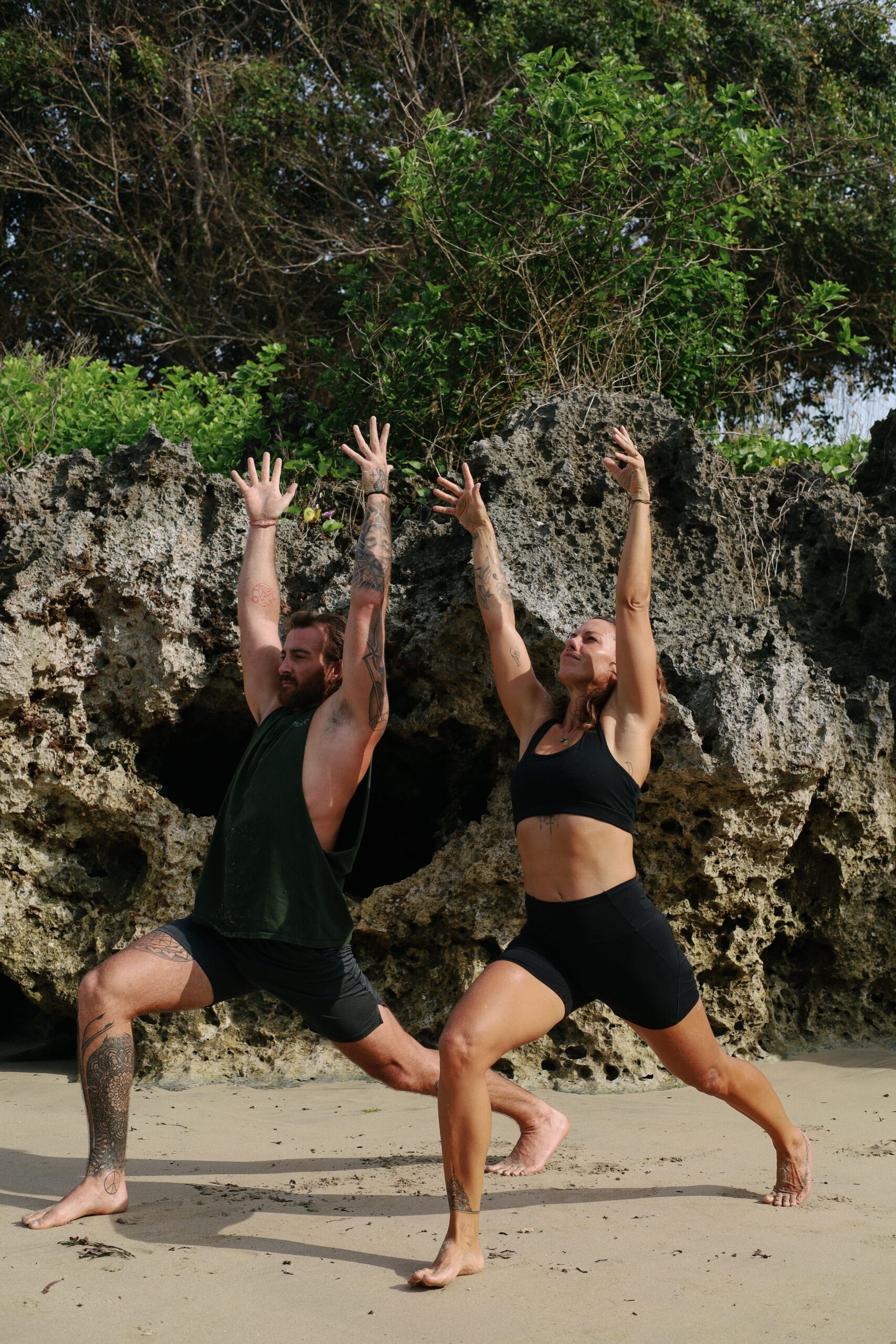

We're Celine & Benny
Hello! We're Celine and Ben the founders of Salty Prana Retreat Centre. Our paths crossed years ago on a yoga mat, just like the one you might be standing on today. Since then, we've traveled the world, learning, teaching, and soaking in every bit of wisdom this ancient practice has to offer.
With over a decade of experience between us, we've poured every ounce of our knowledge, heart, and soul into creating a unique teacher training that's more than just a course—it's an absolute transformation. For both those who want to teach Yoga and those who just want to learn more about themselves. We believe in yoga's power to change lives because it's changed ours. We're not just instructors; we're your supporters, and your biggest cheerleaders.
We've built this program to share with you not just the techniques and poses but the deeper essence of yoga—a path to inner peace, confidence, and a fulfilling life.
Here's why you can rely on us:
Meet the Hearts Behind the Training

Shared Wisdom from 10,000+ Hours in the Studio
Two Decades Guiding Yoga Journeys
Guided Over 200 Yoga Teachers to Success
Retreat Center and Yoga Studio Owners In Bali
Personal, Hands-On Teaching Approach

Join Our Worldwide Community
We believe the real journey starts when you step off the mat and into the world as a yoga teacher. That's why our support extends far beyond the last day of training.
We offer ongoing mentorship to help you navigate the challenges and opportunities that come with teaching yoga. Whether it's refining your teaching style, finding your unique voice, or building your yoga business, we're here for you. Our community is your community, a network of fellow graduates and yoga enthusiasts who support, share, and grow together.
A community for life
choose your training
Our amazing designer, Amy, is giving the Salty Prana community (you!) an exclusive $100 voucher to spend in the Yogi Web store - use it to purchase a website template or custom design, including the $99 mini website in the store!
Love our website?

