
A lot of students ask the same thing: which training approach really leads to change instead of merely giving information? If you are drawn to intensive yoga training, you probably want to go forward quickly, gain confidence, and become clear on what you want. There is no right or wrong answer when it comes to choosing between immersion and modular learning. It’s about how fast and deep yoga gets into your body instead of just your mind.
Research from Yoga Alliance shows that 90% of yoga teachers who complete a comprehensive training feel more confident and prepared to teach, indicating that structured programs significantly boost teaching readiness and self-efficacy.
Immersive training condenses learning into a short period of time, whereas modular training spreads it out over a longer period of time. Both contribute to development, but the speed at which things change within is quite different. If you want to know how to become a yoga instructor, it’s important to know this distinction before you make a decision.
Key Takeaways
- Immersive training speeds up change by getting rid of significant breaks between learning and doing.
- Modular structures provide you more freedom, but they depend more on your own drive and consistency.
- Repetition, guidance, and organized responsibility help you build confidence faster.
- You should choose a structure based on how rapidly you want to practice, not simply how many hours you want to do it.
- The ideal training environment molds not just skills but also how long a teacher will be around.
Why 200 hour yoga teacher training immersion creates faster internal shifts
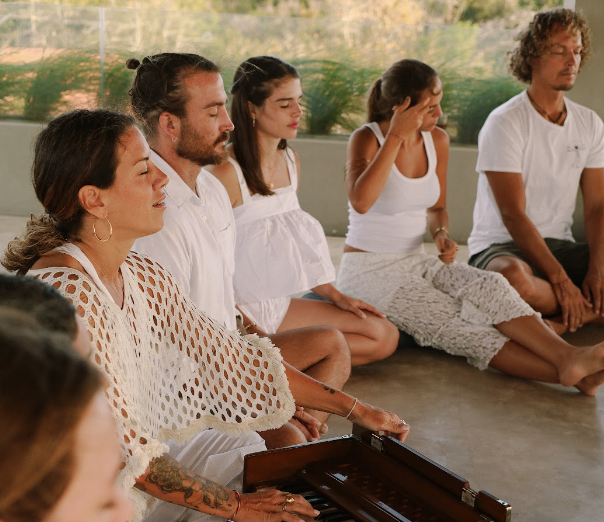
Immersion works because it makes things smoother. In a 200 hour yoga teacher training, the body adapts quicker and the mind ceases fighting change when learning occurs every day. Positions stop feeling mechanical and begin to feel natural, while philosophy shifts from theory into real-life understanding. In this kind of environment, transformation often happens rapidly within the first few weeks.
Many students who choose a 200 hour yoga teacher training immersion say it feels like stepping into a new rhythm rather than adding another task to their routine. Lessons flow effortlessly from one to the next without long breaks, and confidence builds through consistent practice. Because of this structure, immersion is often associated with some of the best yoga teacher training programs around the world.
Immersive programs also create a sense of accountability. You show up because the environment supports and holds you. That consistency makes it easier to prepare for a recognized yoga certification course, especially for those who want to teach with confidence instead of uncertainty.
After learning about immersion, most students notice these things:
- Faster embodiment of alignment and awareness of breath
- Daily structure makes discipline stronger.
- Developed a clearer teaching voice via regular practice
How yoga teacher training online modular learning supports flexibility over speed
There is a rationale for modular learning. Life commitments don’t go away just because you want to change. This style splits instruction up into manageable chunks, so students may study while working, spending time with family, or traveling. Things go along more slowly, and there is more time to think.
Modular programs have changed a lot in the last several years. Yoga teacher training online is far more interesting than prior self-paced models since it has live sessions, access to mentors, and defined deadlines. Modular formats may still help you develop in a meaningful way if you stick to them.
But change happens in a different way. Breaks between modules might make embodiment take longer. You may need to go back to certain ideas, and your motivation is a big part of your momentum. A lot of kids feel anchored but not completely involved.
This approach is typically appealing to those who have to balance their priorities, particularly when they are looking at the total yoga teacher training cost.
Some of the most common reasons students choose modular learning are:
- Flexibility without having to be away from duties for a long period
- Slowly bringing together philosophy and practice
- Financial pace that fits with personal planning
What defines a credible yoga certification course beyond the format
Certification alone does not bring about change. The actual value is in how deep the curriculum is, how good the mentors are, and how learning makes you feel more confident. The program should push people beyond of their comfort zones, whether it is immersive or modular, and provide them assistance.
At this stage, a lot of professionals start to compare formats based on results instead of ease of use. Immersion tends to speed up changes in identity, whereas modular learning helps identity changes happen more slowly. Programs that follow the best yoga teacher training standards concentrate on both skills and character.
This is also where the yoga teacher training cost comes into play. You could be tempted by a smaller initial investment, but the long-term worth relies on how ready you are to educate, lead, and hold space after that.
These are some of the things that students commonly use to evaluate programs:
- Depth of anatomy, philosophy, and pedagogical approach
- Getting criticism and help from experienced mentors
- Recognition that fits with professional teaching aims
Choosing the path that supports confidence, clarity, and readiness
When a change occurs suddenly, it feels different. Immersion typically takes away uncertainty by giving you experience instead of overthinking. The building itself becomes a teacher for anyone who is interested in intensive yoga training. Discipline comes easily, and confidence grows with practice and being there.
Modular learning is still useful for those who need to be flexible, but it demands a lot of self-control. If you feel that teaching is your calling instead of just something you’re interested in, immersion may frequently make the distance between student and guide smaller.
Many students reach out to Salty Prana in the middle of their decision-making process to learn about programs that are both in-depth and prepare them for the real world. The emphasis is still on learning via experience rather than getting a certificate quickly.
Think about the following while deciding what to do next:
- How fast do you want practicing to become second nature
- If structure or flexibility helps you develop more
- The amount of guidance you need to feel ready
Your transformation timeline starts with one intentional decision
Yoga doesn’t want you to be perfect. It requires dedication. The way you work out affects how soon and how deeply that dedication takes root. Immersion frequently makes things clearer by making them more intense, whereas modular learning teaches patience by being consistent.If you want to go beyond theory and start teaching with confidence, it’s important to choose the correct container.
Programs that are planned out make progress seem natural instead of pushed. This is why practitioners keep coming back to Salty Prana as their trusted place for real growth, direction, and permanent change.
FAQs
Is immersive training better for those who are just starting out than modular formats?
Immersive programs are typically good for beginners since they help them get used to things quickly by practicing every day. Students may go from learning poses to comprehending sequencing, breath, and teaching signals with confidence when they are consistent.
Can modular training still help you teach with confidence?
Yes, but the outcomes rely a lot on how disciplined you are. Modular formats need substantial commitment between sessions to keep up the enthusiasm and knowledge that comes from doing things.
Do working professionals find immersion to be too much?
It might seem intense, but many experts say that the concentrated setting helps them study by letting them fully immerse themselves in the material without having to do other things at the same time.
How long does it take to feel ready to teach once you finish training?
Immersive formats usually minimize the time it takes to be ready since practice, feedback, and philosophy are all combined instead of being split apart.
Do people in the yoga business appreciate online training?
When they provide live teaching, mentoring, and a curriculum that meets worldwide training standards, online programs are generally recognized.
200-Hour YTT vs. Modular Training: Which Path Transforms Your Practice Faster?

We're Celine & Benny
Hello! We're Celine and Ben the founders of Salty Prana Retreat Centre. Our paths crossed years ago on a yoga mat, just like the one you might be standing on today. Since then, we've traveled the world, learning, teaching, and soaking in every bit of wisdom this ancient practice has to offer.
With over a decade of experience between us, we've poured every ounce of our knowledge, heart, and soul into creating a unique teacher training that's more than just a course—it's an absolute transformation. For both those who want to teach Yoga and those who just want to learn more about themselves. We believe in yoga's power to change lives because it's changed ours. We're not just instructors; we're your supporters, and your biggest cheerleaders.
We've built this program to share with you not just the techniques and poses but the deeper essence of yoga—a path to inner peace, confidence, and a fulfilling life.
Here's why you can rely on us:
Meet the Hearts Behind the Training

Shared Wisdom from 10,000+ Hours in the Studio
Two Decades Guiding Yoga Journeys
Guided Over 200 Yoga Teachers to Success
Retreat Center and Yoga Studio Owners In Bali
Personal, Hands-On Teaching Approach

Join Our Worldwide Community
We believe the real journey starts when you step off the mat and into the world as a yoga teacher. That's why our support extends far beyond the last day of training.
We offer ongoing mentorship to help you navigate the challenges and opportunities that come with teaching yoga. Whether it's refining your teaching style, finding your unique voice, or building your yoga business, we're here for you. Our community is your community, a network of fellow graduates and yoga enthusiasts who support, share, and grow together.
A community for life
choose your training

Our amazing designer, Amy, is giving the Salty Prana community (you!) an exclusive $100 voucher to spend in the Yogi Web store - use it to purchase a website template or custom design, including the $99 mini website in the store!
Love our website?

